Masala Making Machine Business Plan: Investment, Daily Profit and Break-even Analysis
Building the Plan on Real Numbers
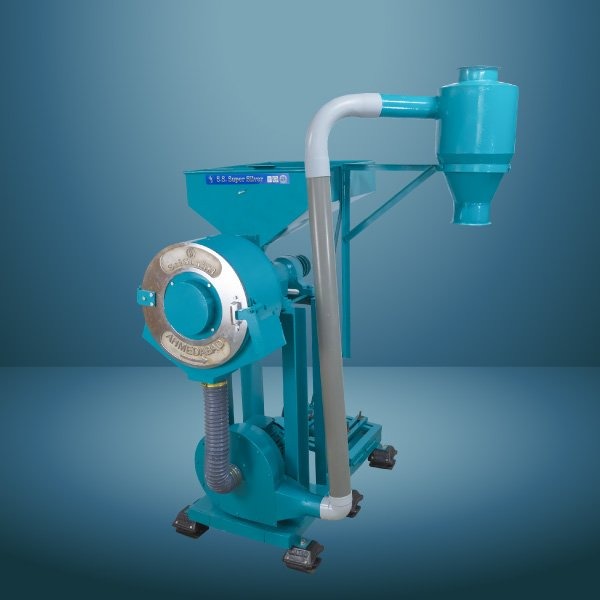
A good business plan for the Masala Making Machine starts from the machine facts: you invest ₹140,000, you install a unit rated at 210 kg / hour capacity with 5.6 HP power demand, and you run production based on confirmed orders. Start from these numbers and build the plan upward — planning on fantasy figures is the fastest way to lose money in manufacturing.
The Masala Making Machine is rated for a production capacity of 210 kg / hour, which keeps output steady through the working day.
For power, the machine needs 5.6 HP on a 220V/440V (as per model) supply, so a dedicated and stable connection is recommended for clean running.
Write the plan in four parts: the one-time investment, the monthly running cost, the revenue the machine can generate, and the profit left after everything. Once these four sections are on paper, the business model becomes clear enough to act on the same week.
One-Time Investment Breakdown
- Masala Making Machine machine price — ₹140,000 inclusive of GST
- Electrical connection and fittings for 5.6 HP demand
- Raw material stock for the first weeks of production
- Packing, basic furniture and small tools
- Site preparation if required
- Buffer fund for the first month of operation
Add these honestly for your own city. The machine portion with SKU MWMASALAMA is fixed at ₹140,000; the rest depends on your scale. Keeping a tight but realistic budget in the first month is the habit that protects your capital.
Monthly Running Costs and Revenue
Running costs of a Masala Making Machine unit cover raw material, labour for the operators, electricity for the 5.6 HP motor, packing and transport. These are variable and scale with your output. The revenue side is driven by the capacity of 210 kg / hour — the more shifts you run, the higher the monthly turnover, limited only by the orders you secure.
To estimate profit, take the planned monthly revenue, subtract the running costs and the capital recovery over the machine life, and the remainder is your owner’s profit. Most Masala Making Machine units reach the break-even point within the early months, because the margin rate of a manufacturing business is naturally healthier than pure trading.
Break-even and Payback in Simple Terms
Payback is calculated as the total invested amount divided by the average monthly profit. With the Masala Making Machine at ₹140,000 and steady orders, the machine commonly earns back its price within a practical working period of regular operations. Once recovered, the income becomes owner’s profit with the same effort.
Keep reviewing the plan monthly: compare actual capacity utilisation against the 210 kg / hour target, actual electricity against 5.6 HP estimates, and actual sales against the plan. These three comparisons tell you within seconds whether the Masala Making Machine business is on track or needs a marketing push.