Starting a Manual Slipper Machine Business for Beginners: Step-by-Step Roadmap
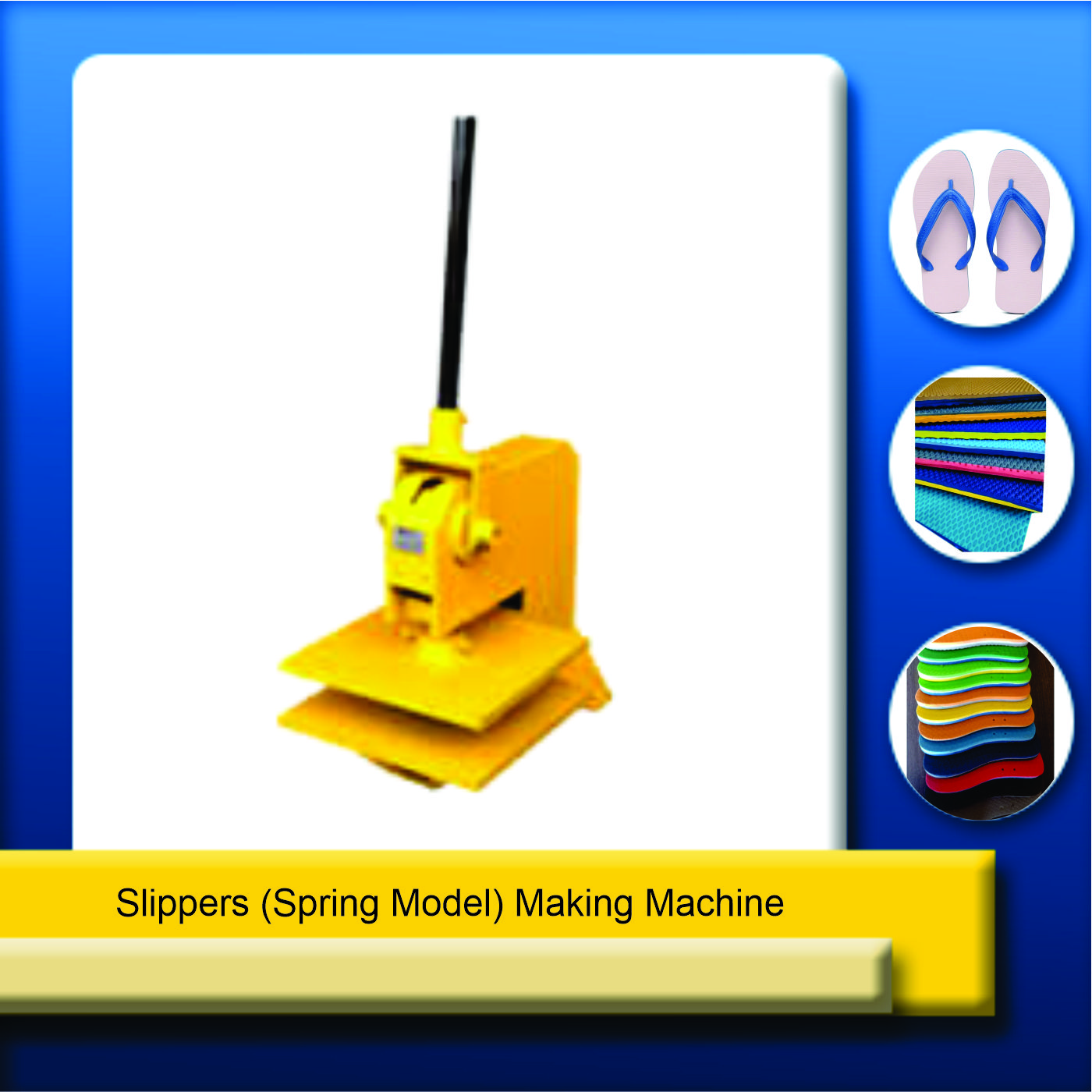
Step 1: Decide and Verify the Machine
For a beginner, confidence comes from verification. Confirm that the Manual Slipper Machine fits your goal: price ₹25,000, capacity 99 pairs / hour, power 2.6 HP and a warranty of 6 months. Ask for the SKU MWMANUALSL on the invoice, check the product page and have the MachinesWala team at 9540005314 explain the machine on a call. When the facts are clear, the decision is easy.
The Manual Slipper Machine is rated for a production capacity of 99 pairs / hour, which keeps output steady through the working day.
For power, the machine needs 2.6 HP on a 220V/440V (as per model) supply, so a dedicated and stable connection is recommended for clean running.
Remove the biggest beginner mistake right here: buying a random machine because the price looked low. Keep your comparison restricted to machines of verified specification. The Manual Slipper Machine with its written 99 pairs / hour capacity is a safe baseline to compare everything else against.
Step 2: Registration and Paperwork
Register your business in the simplest valid form: sole proprietorship/partnership registration plus GST registration. GST matters because against the ₹25,000 invoice you can claim input tax credit as a registered unit, and most institutional buyers only purchase from GST-registered sellers.
Keep three documents safe from day one: the GST certificate, the machine invoice with SKU MWMANUALSL, and the owner identity proofs. These three papers cover banking, loans, electricity connections and buyer enquiries. Complete them before production, not during it.
Step 3: Set Up and Train
Install the Manual Slipper Machine with a dedicated power point for 2.6 HP demand, organise material storage, and run a trial batch at the 99 pairs / hour rate to confirm output quality. Train whoever operates the machine on the basic functions, cleaning and the safety rules before the first real order.
Beginners often under-rate the trial run, treating it as optional. In fact the trial batch catches alignment, power and material issues while it is still easy to correct. A clean first production day builds confidence for both the owner and the customer.
Step 4: Your First Customers
Begin locally: shops, families, institutions and nearby businesses that can use your output. Offer a small first-order incentive and deliver exactly on the promised date. Follow every order with a WhatsApp thank-you and a request for repeat business — the fastest revenue engine a beginner has.
Track your numbers from week one: orders, production against 99 pairs / hour, expenses and the money collected. Review the list every Sunday. The Manual Slipper Machine, bought at ₹25,000, becomes profitable not by chance but by this weekly discipline of reviewing and improving.